
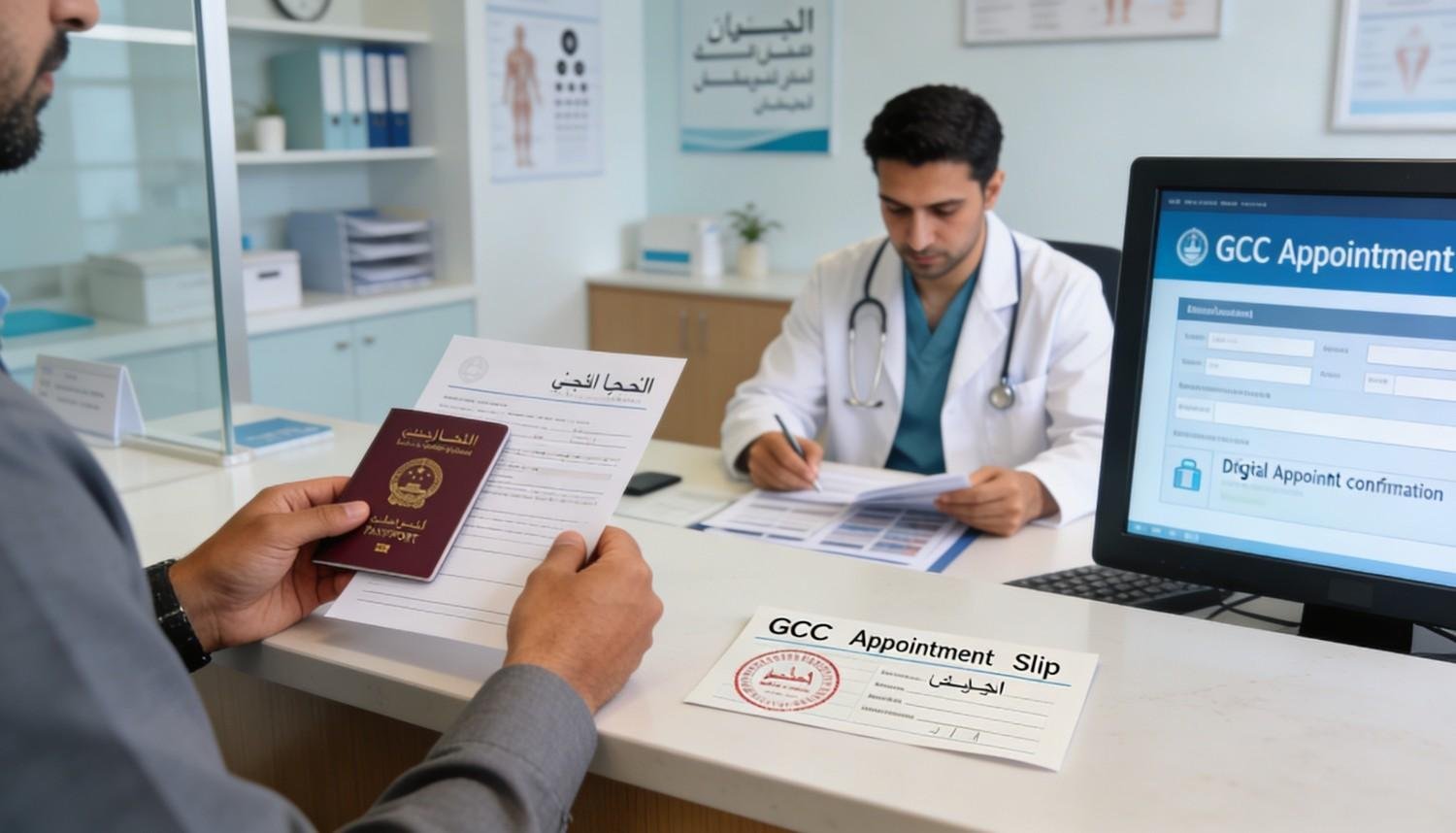

The GAMCA medical test is a mandatory screening for those applying for employment or residential visas in the Gulf Cooperation Council (GCC) countries of Saudi Arabia, United Arab Emirates (UAE), Qatar, Kuwait, Oman and Bahrain. While many applicants are only concerned with scheduling an appointment and gathering and submitting documents, the importance of health preparation, dietary planning and other lifestyle factors that can influence the medical test results are often overlooked.
This comprehensive guide outlines what you should know about the GAMCA medical test, and what you need to do before your test.
What Is the GAMCA Medical Test?
GAMCA medical tests are mandatory health checks that assess basic health indicators. It is performed at GCC-approved medical facilities. In some countries, registration and appointments for the test are done via the WAFID system.
The purpose of the GAMCA medical test is to detect infectious diseases and serious medical conditions that could impact on public health or employment ability.
The GAMCA medical test includes:
· Physical examination
· Blood analysis
· Urine analysis
· Chest X-ray
These tests assist doctors to assess medical conditions such as tuberculosis, HIV, hepatitis, blood glucose and renal function.
Who Needs the GAMCA Medical?
The Wafid medical test is typically required for applicants entering the Gulf Co-operation Council (GCC) countries for these types of visas:
· Employment Visa
· Residence/Family Visa
· Long-term Stay Visa
· Transfer of Sponsorship
Although you may have a migration agent, it’s worth knowing about the medical preparation process to prevent delays, mistakes and extra expenses.
Documents Required for the GAMCA Medical
Prior to your medical appointment, organise the following:
· Original Passport
· Passport copy
· Visa copy (if already issued)
· GAMCA/WAFID appointment slip
· 2 to 4 passport-size photographs
· National ID (if available)
· Any previous medical reports
Make sure you have the right information and documents to avoid any rescheduling.
Healthy Eating Before Your GAMCA Medical Test
A healthy diet is important for good health. Healthy eating will support good body function during blood, urine and metabolic tests.
Balanced diet: Eat a diet with lean protein, grains and vegetables. Balanced eating helps your metabolism and maintains blood levels.
Fiber-rich foods: Fiber aids in digestion and metabolism. Foods include oats, brown rice, lentils, fruit and green vegetables.
Water: Adequate water helps the kidneys and ensures reliable urine tests. Regular sipping throughout the day is best.
Cut out sugar and fried foods: Fried foods, sugary treats and processed food can affect blood glucose and cholesterol. Cutting these out in the lead-up to the medical exam helps maintain better balance.
Healthy Habits for Improved Health Tests
In addition to your diet, lifestyle affects your health status and test results. Here are key lifestyle strategies:
1. Regular Physical Activity
Do moderate physical activity like walking, cycling or home exercise. Exercise helps maintain a healthy heart, weight and metabolic equilibrium.
2. Adequate Sleep
Sleep plays an important role in regulating the immune system, blood pressure and hormones. Aim for 7 to 8 hours of sleep a night in the lead up to your appointment.
3. Stress Control
Stress can raise blood pressure and impact metabolism. Engage in stress-relieving activities like deep breathing, stretching or meditation.
4. No Smoking and Alcohol
Alcohol and smoking affect liver enzymes, lung function and metabolism. Stay away from these for a few days prior to the test.
Reasons for Unfit Medical Test Results
A medical health assessment report may indicate “Unfit” if you have:
Tuberculosis or lung infections
· Hepatitis B or C
· HIV/AIDS
· Severe liver or kidney disease
· Uncontrolled blood pressure
· Severe metabolic imbalance
Health requirements vary between GCC countries, so be sure to check the latest regulations for the country you’re visiting.
How to Eliminate Mistakes when Applying for GAMCA
Applicants often make the mistakes below, which lead to delays in processing or unnecessary costs:
· Applicants arrange appointments on unauthorised sites
· Not bringing all the required documents
· Not following simple health preparation steps
· Ignoring dietary and lifestyle advice prior to the test
Knowing what to expect and being prepared reduces anxiety and makes the process easier.
Conclusion
The GAMCA test is a mandatory part of obtaining a visa to the GCC and understanding what to expect can make it a more straightforward process. Through diet, hydration, exercise, rest and stress reduction, you can improve your overall health and approach your medical test with reassurance.
Preparing your body is as crucial as scheduling your appointment. Knowing what to expect and taking action will boost your confidence.
GAMCA Medical FAQs
Q. What is the medical test?
The medical test consists of physical examinations, blood and urine tests and a chest X-ray to check your health.
Q. How long will my medical report take?
It typically takes 1-3 days for medical reports, depending on the medical centre and volume of tests conducted.
Q. Can I have a retest if I’m Unfit?
This depends on the reason for the report and medical guidelines. Certain conditions can be treated before retaking the test.