
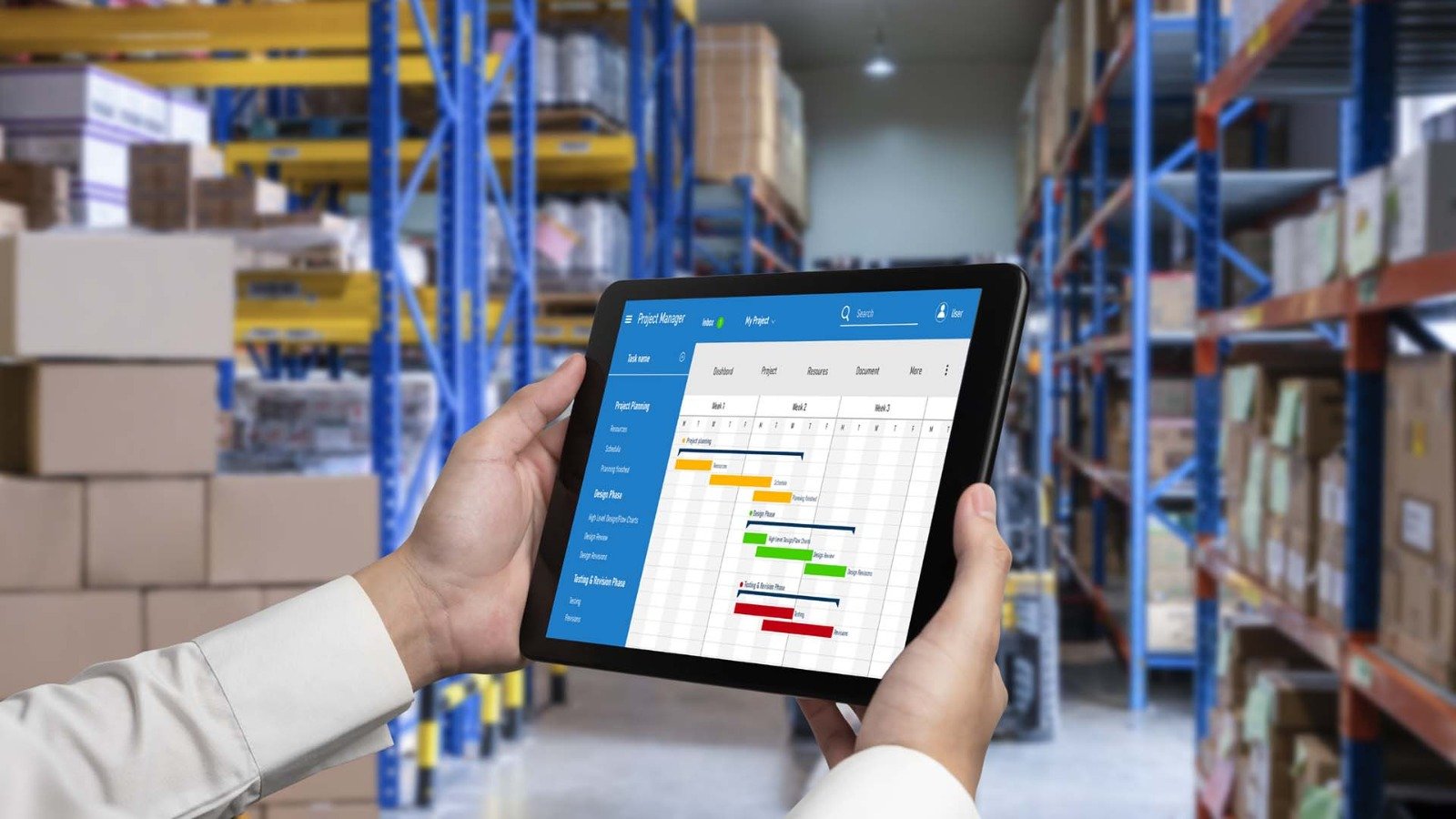

Managing inventory effectively is essential for maintaining healthy cash flow, reducing waste, and keeping customers satisfied. However, many businesses struggle with two common inventory problems: overstocking and dead stock.
Overstocking occurs when a business holds more products than it can reasonably sell within a given period. Dead stock refers to products that have remained unsold for a long time and are unlikely to generate sales without significant intervention. Both problems tie up capital, consume valuable storage space, and can reduce overall profitability.
The good news is that businesses can take several practical steps to prevent excess inventory and move slow-selling products before they become dead stock.
1. Analyze Historical Sales Data
One of the best ways to avoid overstocking is to understand how your products have performed in the past. Review historical sales data to identify purchasing patterns, seasonal demand, and products that consistently sell quickly or slowly.
Look for trends such as:
- Average monthly sales
- Seasonal changes in demand
- Best-selling and slow-moving products
- Sales during promotions
- Products with declining demand
Using this information when placing new orders can help you make more accurate purchasing decisions instead of relying on assumptions.
2. Set Minimum and Maximum Stock Levels
Establishing minimum and maximum inventory levels can help prevent both stockouts and excessive inventory.
A minimum stock level indicates when it is time to reorder, while a maximum stock level helps prevent purchasing more inventory than your business can reasonably sell.
These levels should be reviewed regularly because customer demand, supplier lead times, and market conditions can change.
3. Monitor Inventory Turnover
Inventory turnover shows how quickly your business sells and replaces its inventory. A low turnover rate may indicate that products are sitting in storage for too long.
Regularly reviewing turnover rates can help you identify products that need attention. Items with consistently low turnover may require smaller future orders, promotional pricing, bundling, or a change in purchasing strategy.
4. Use Demand Forecasting
Accurate demand forecasting can significantly reduce the risk of overstocking. Instead of ordering based solely on intuition, use sales history, seasonal trends, upcoming promotions, and current market conditions to estimate future demand.
For example, a retailer may expect higher demand before holidays but lower demand immediately afterward. Adjusting purchasing quantities around these patterns can prevent excess products from remaining on the shelves.
5. Track Slow-Moving Products Early
Dead stock rarely appears overnight. Products usually become slow-moving before they become completely unsellable.
Create a system for identifying products that have not sold within a defined period. Once these items are identified, you can take action while there is still an opportunity to sell them.
Consider:
- Offering limited-time discounts
- Creating product bundles
- Moving products to a different sales channel
- Including them in promotional campaigns
- Adjusting product placement
- Returning eligible products to suppliers
Early action can prevent slow-moving inventory from becoming dead stock.
6. Improve Purchasing Decisions
Overstocking often begins with purchasing too much inventory. Businesses should consider factors such as supplier lead times, minimum order quantities, storage costs, and actual customer demand before placing orders.
Avoid purchasing large quantities simply because a supplier offers a bulk discount. A lower unit cost does not necessarily mean greater profitability if the additional products remain unsold.
Smaller, more frequent orders may be a better option when demand is uncertain.
7. Categorize Inventory by Performance
Not every product should receive the same level of attention. An inventory classification system can help businesses focus their resources on the products that matter most.
For example, an ABC analysis can divide inventory into three groups:
- A items: High-value or high-impact products that require close monitoring
- B items: Products with moderate value or demand
- C items: Lower-value products that generally require simpler inventory controls
This approach makes it easier to prioritize purchasing, forecasting, and stock monitoring.
8. Use Inventory Management Software
Managing inventory manually can make it difficult to spot problems early, particularly as a business grows. Inventory management software can provide better visibility into stock levels, sales activity, reorder points, and slow-moving products.
An effective system can help businesses make data-driven decisions and reduce the risk of ordering products that are already overstocked.
Businesses looking to improve their inventory processes can explore Inventory Optimization solutions to gain better control over stock levels, purchasing, and product movement.
9. Create a Plan for Dead Stock
Even with good inventory practices, some products will eventually become difficult to sell. Having a clear dead-stock strategy can help recover as much value as possible.
Depending on the product and business model, options may include:
- Clearance sales
- Discounts
- Bundles
- Buy-one-get-one promotions
- Wholesale sales
- Donations where appropriate
- Supplier returns
- Liquidation
The goal is to recover value rather than allowing products to continue consuming storage space and capital.
10. Review Inventory Regularly
Inventory management should be an ongoing process rather than a one-time exercise. Schedule regular reviews of stock levels, sales performance, inventory turnover, and aging inventory.
A monthly or quarterly review can help you identify emerging problems before they become expensive.
Ask questions such as:
- Which products are selling slower than expected?
- Which items have been in storage for too long?
- Are we ordering more than customers need?
- Which products need promotional support?
- Are our reorder points still accurate?
These reviews make it easier to continuously improve your inventory strategy.
Conclusion
Overstocking and dead stock can quietly reduce profitability by tying up working capital, increasing storage costs, and creating products that are difficult to sell. The key to preventing these problems is to combine accurate demand forecasting with regular inventory monitoring and smarter purchasing decisions.
By analyzing sales data, setting appropriate stock levels, identifying slow-moving products early, and using inventory management technology, businesses can maintain healthier inventory levels and make better use of their capital.
Most importantly, inventory optimization should be an ongoing process. Regular analysis and timely action can help businesses reduce excess stock, minimize dead inventory, and build a more efficient and profitable operation.