
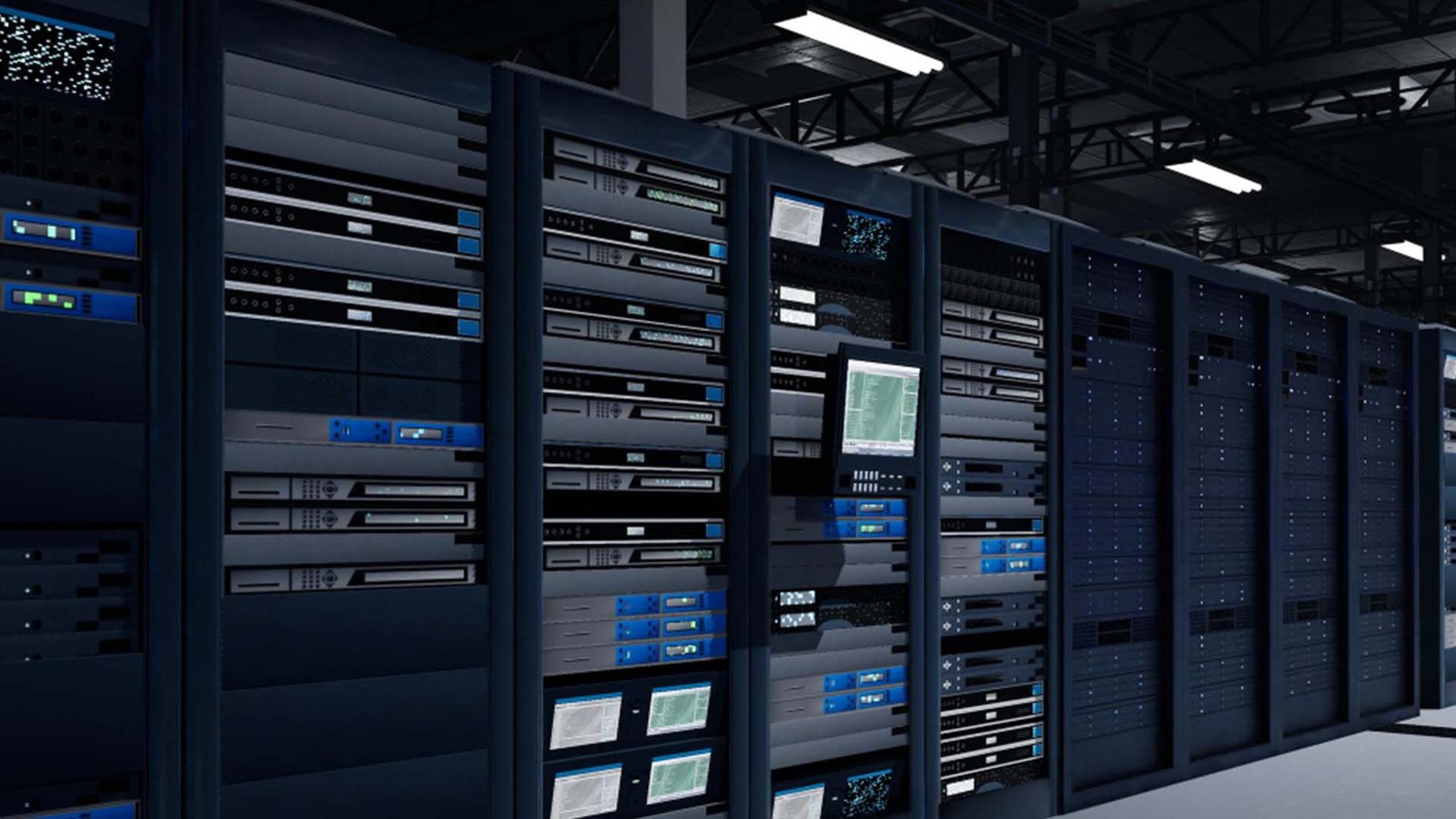

When an online business starts serving customers across Asia, its hosting infrastructure can become an important part of its growth strategy. More users, larger applications, and geographically distributed traffic can place new demands on servers and networks. Businesses that require dedicated computing resources may consider a Dedicated Server Taiwan solution, while companies seeking a flexible virtual environment for South Korean audiences can evaluate VPS infrastructure based on their application requirements.
Hosting Should Match the Application
Every website uses server resources differently.
A simple business website may operate comfortably with modest hosting, while an e-commerce platform, SaaS application, online marketplace, or database-driven system may require considerably more CPU, RAM, storage, and bandwidth.
Before selecting a hosting environment, businesses should understand their application’s workload.
Important factors include average traffic, peak visitor levels, database activity, storage consumption, software requirements, and the expected rate of growth.
Choosing resources based on real usage can help businesses avoid both performance limitations and unnecessary infrastructure expenses.
When Dedicated Hosting Makes Sense
A dedicated server provides an entire physical machine to a single customer.
Unlike shared hosting, its CPU, RAM, storage, and other resources are not shared with unrelated websites. This can make dedicated infrastructure suitable for demanding applications that require predictable resource availability.
A Dedicated Server Taiwan environment may be appropriate for businesses serving Taiwanese customers or organizations seeking infrastructure in East Asia.
Dedicated hosting also offers greater configuration control. Businesses can manage operating systems, databases, applications, security settings, and other server-level components according to their requirements.
For organizations running resource-intensive platforms, this additional control can be particularly useful.
VPS Hosting for Flexible Growth
Not every company needs a complete physical server.
A VPS provides an isolated virtual environment with allocated resources. It offers more flexibility and control than conventional shared hosting while allowing businesses to avoid managing an entire physical machine.
VPS infrastructure can be useful for startups, developers, agencies, online stores, SaaS platforms, and growing business applications.
Companies serving South Korean users can consider VPS South Korea when the location fits their audience and technical requirements.
Another advantage is scalability. Businesses can often increase virtual resources as their traffic and application requirements grow.
Server Location Can Influence User Experience
Geography matters when selecting hosting infrastructure.
A user’s request must travel through a network before reaching the server and returning with the required data. A suitable server location can help reduce network distance and latency for the target audience.
Businesses serving Taiwan may therefore consider Dedicated Server Taiwan as part of a regional infrastructure strategy.
Organizations focused on South Korea can similarly evaluate VPS South Korea when selecting a virtual environment for local or regional customers.
However, server location alone does not guarantee excellent performance. Network routing, bandwidth, connectivity, hardware, and data center infrastructure must also be considered.
Look Beyond Basic Specifications
Businesses often compare hosting plans by looking at CPU cores, RAM, and storage capacity. These numbers are useful, but they do not tell the entire story.
Storage performance can be important for database-intensive applications. Network capacity may matter more for websites that transfer large amounts of data. Processing power can become critical for applications handling complex calculations or many concurrent users.
Companies should therefore match infrastructure specifications to the actual behavior of their applications.
This approach makes the hosting investment more efficient and easier to manage.
Security Should Be Part of the Infrastructure Plan
A dependable server environment should support strong security practices.
Businesses should consider firewall configuration, authentication, access permissions, backups, monitoring, software updates, and administrator controls.
Dedicated servers can provide extensive control over security configurations. VPS environments can also provide isolation and administrative flexibility.
However, server security is only one layer of protection. Applications, databases, APIs, plugins, credentials, and customer information must also be secured.
Businesses should regularly review their security practices as applications and infrastructure change.
For additional insights into business technology and digital growth, companies can explore Entrepreneur for practical resources and industry information.
Plan for Future Traffic
A hosting solution should be selected with future requirements in mind.
A business may experience a sudden increase in traffic after launching a product, entering a new market, or running a successful advertising campaign.
Companies evaluating Dedicated Server Taiwan hosting should estimate how their resource requirements could change as their customer base expands.
Organizations considering VPS South Korea should also check how easily CPU, RAM, storage, and bandwidth can be upgraded.
Scalability can help businesses respond to growth without immediately requiring a complete infrastructure migration.
Consider Support and Management
Technical support can be an important factor, especially for businesses without dedicated system administrators.
Before choosing a hosting solution, organizations should understand what level of server management is included and how technical issues are handled.
Businesses with experienced IT teams may prefer greater administrative control, while smaller teams may benefit from managed services.
Understanding these requirements can help prevent unexpected operational challenges.
Conclusion
A strong hosting strategy provides the foundation for reliable digital operations. Businesses expanding across Asia need infrastructure that can support performance, security, scalability, and changing customer demands.
Whether an organization requires the dedicated resources of a Dedicated Server Taiwan environment or the flexibility of VPS South Korea hosting, the right choice should be based on workload, audience location, application requirements, and future growth.
By evaluating infrastructure carefully before making a decision, businesses can create a more reliable online presence and build a hosting environment that supports long-term digital expansion.