
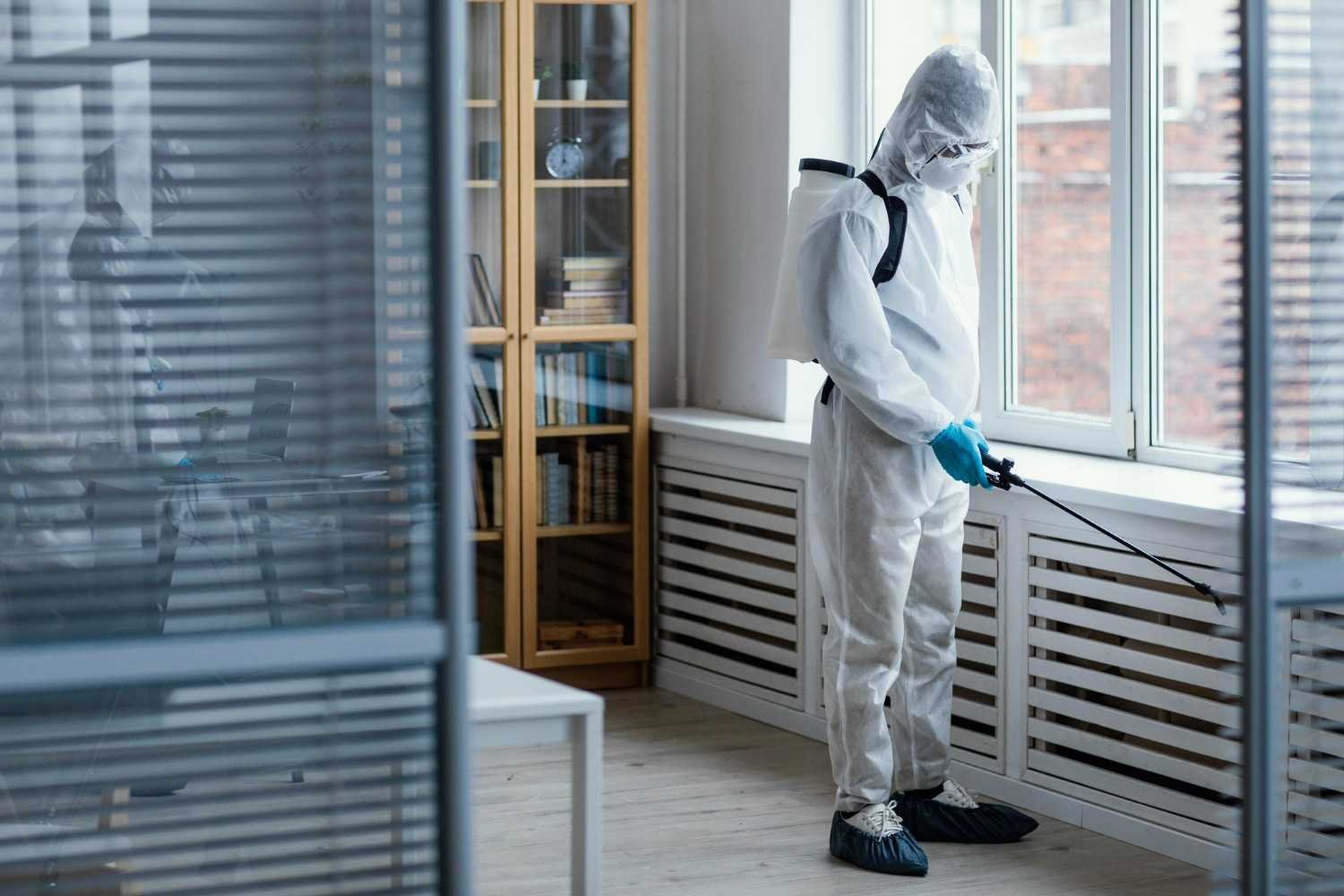

In healthcare settings hygiene standards are not negotiable.
Clinics, hospitals, Diagnostic centers, hospitals and specialty care facilities work with the highest standards of safety. Infection control protocols are detailed. Sterilization standards are regulated. Systems for disposing of waste are monitored.
However, there is a risk that could sabotage the entire system -an infestation of pests.
In a city such as Mumbai where high humidity, dense infrastructure and the constant flow of patients result in environmental pressure, expert pest control is a must for hospitals.
It’s a requirement for compliance.
Why Healthcare Facilities Face Unique Pest Risks
Healthcare facilities are complex and intricate ecosystems.
They are made up of:
- Food preparation zones
- Biomedical waste storage
- Laundry facilities
- HVAC systems
- False ceilings
- Basements
- Drainage networks
Each of them could become areas of pest breeding if they are not properly controlled.
Contrary to the residential space healthcare facilities must have no tolerance environments.
Even the smallest pest infestation can result in serious consequences.
Cockroaches and Infection Risk
Cockroaches aren’t just unpleasant in hospitals. They pose a biohazard.
They go through sewers, waste zones and other areas that are polluted with pathogens that are carried on their bodies.
In health settings Cockroaches are a problem that can
- Make compromises on to sterile areas
- Contaminate food service zones
- Increase the risk of cross-contamination
Professional cockroach control in hospitals are focused on:
- Treatment based on drainage
- Food storage zone inspection
- Waste management monitoring
- Structural gap sealing
Spraying with chemicals in large quantities is not recommended in medical environments that are prone to sensitivity.
Pest control that is eco-friendly and precise techniques are most preferred.
Rodents and Contamination Liability
Control of rodents is essential in the healthcare setting.
Rodents could:
- Use medical supplies to stop the contamination
- The linens stored in the storage area are damaged.
- Chew electrical wiring
- Infectious diseases are spread
The presence of rodents on hospital premises could lead to compliance issues as well as reputational harm.
Hospitals are required to install monitored baiting systems as well as sealing of structural elements as part of planned commercial pest control plans.
Termite Risk in Hospital Infrastructure
While termites might not directly harm patients, they could affect structural integrity.
Hospitals usually include:
- Wooden partitions
- Interiors of administrative offices
- Racks for storage
- Rooms for documentation
Treatment for termites in Mumbai healthcare facilities safeguards structures from damage that is not visible.
For new hospital construction projects, pre construction termite treatment ensures foundational protection.
The absence of termite risks could cause costly structural changes in healthcare facilities that are operational.
Bed Bugs in Patient Care Facilities
In some healthcare settings, like long-term care centers as well as rehabilitation centers, bed bug infections are common due to the patient’s bags and the frequent movement of patients.
Treatment for bed bugs should be discrete and consistent.
Professional pest control services provide:
- Mattress seam inspection
- Furniture checks
- Multi-stage elimination plans
- Monitoring of follow-up
In the healthcare environment the comfort of patients and their psychological security are crucial.
The presence of bed bugs can cause the anxiety of patients.
Compliance and Accreditation Standards
Healthcare facilities are often run by accreditation organizations as well as inspection agencies.
The presence of pests can be:
- Trigger compliance failure
- Delay renewal of accreditation
- Encourage regulatory penalties
Commercial pest control firms must provide:
- Inspection documentation
- Monitoring logs
- Treatment documents
- Corrective action Reports
Control of pests in Mumbai healthcare settings must be in line with expectations of compliance.
Why Chemical Control Must Be Controlled
Hospitals can’t tolerate prolonged exposure to chemicals.
The strong odors, airborne particles or surface residues may influence:
- Patients who have respiratory sensitivities
- ICU environments
- Areas for preparing surgical instruments
Pest control products that are eco-friendly provide controlled application that causes the least environmental disturbance.
The use of precision-based treatments reduces the risk of contamination.
HVAC Systems and Pest Movement
Hospitals heavily rely on central HVAC systems.
If they aren’t properly maintained If not properly maintained, these systems could turn into pest-transit pathways.
Professional pest control companies should coordinate with the team members of the facility management to check:
- Duct openings
- False ceiling cavities
- Ventilation shafts
Integrated Pest Management (IPM) is well-suited to health care settings since it focuses on surveillance of chemical use that is excessive.
Waste Management and Pest Attraction
Food waste and biomedical waste zones attract insects.
Incorrect disposal of waste increases the danger of infestation.
Plans for pest control in the healthcare sector should include:
- Waste storage inspection
- Daily coordination of sanitation
- Monitoring of the drainage
- Exterior perimeter treatment
The prevention of emergencies reduces the need for interventions.
Monsoon Risk for Hospitals in Mumbai
The monsoon season can increase the pest burden dramatically.
Overflows from drainage and flooding can make rodents enter basements of hospitals.
The presence of humidity can increase the reproduction rate of cockroaches.
Pest control preventive in Mumbai health facilities prior to the monsoon can reduce the risk of outbreaks.
Hospitals are not able to afford the luxury of seasonal surprises.
Financial and Legal Risk of Infestation
The presence of pests in hospitals could cause:
- Legal responsibility
- Infections are a major cause of concern
- Media coverage
- Reputation damage
The financial consequences extend beyond the cost of treatment.
Preventive pest control services protect institutional credibility.
The Role of Integrated Pest Management in Healthcare
IPM-based pest control for hospitals is:
- Risk assessment
- Correction of structural issues
- Monitoring stations
- Documentation
- Controlled application
This approach to healthcare is consistent with the healthcare philosophy based on scientific evidence.
Final Thoughts
Hospitals are there to safeguard health.
Pest infestations can undermine that goal.
In Mumbai’s climate-sensitive, high density surroundings, a professional pest control services in Mumbai hospitals must be efficient, precise and dependable.
From cockroach removal services within drainage system to rodent-control services in basements, and termite treatments in Mumbai administration zones, prevention safeguards both reputation and patients.
In healthcare, there’s no way to compromise.
Pest control and pest prevention must be held to the same requirements as medical treatment -exact, documented and preventive.