
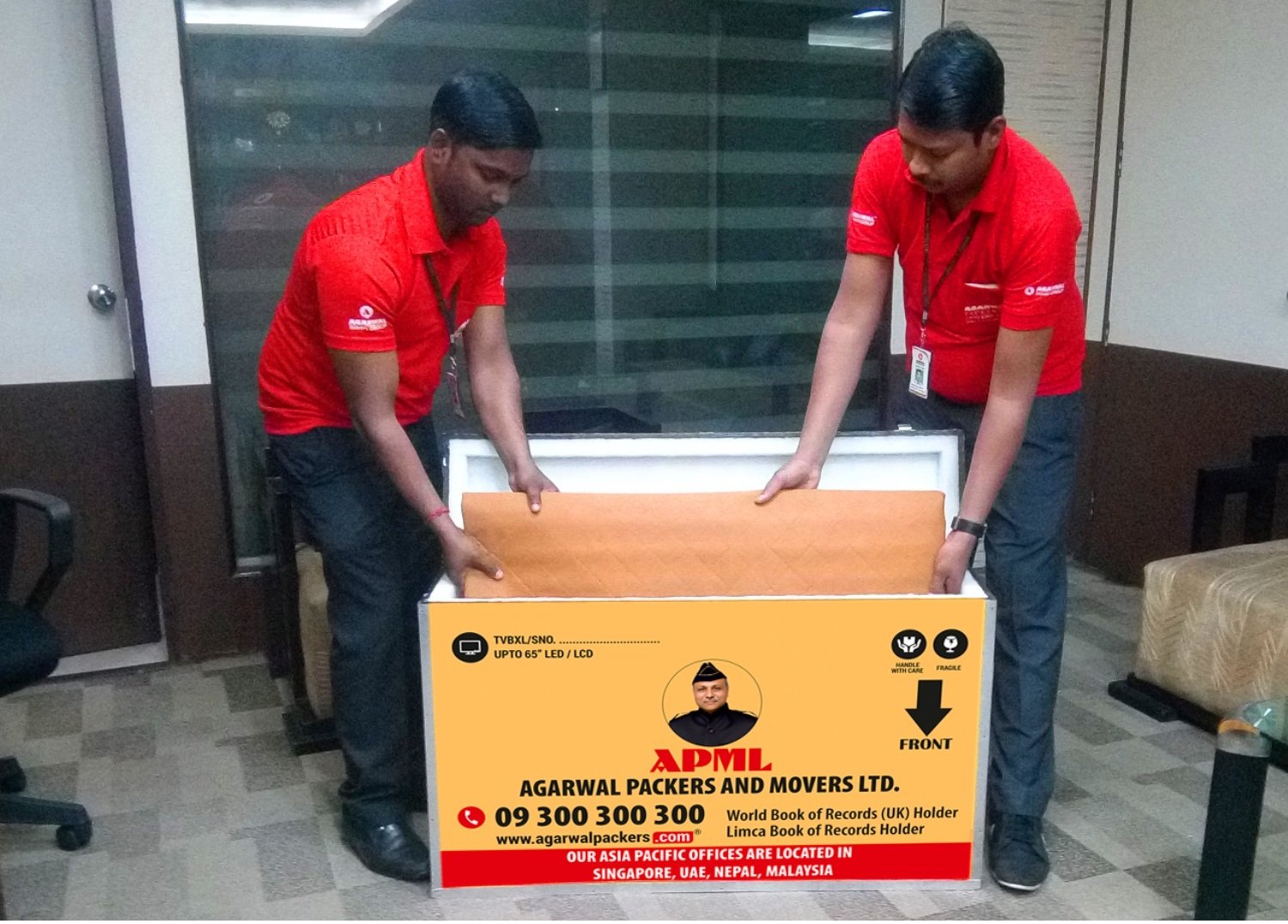

An office move can affect employees, equipment, documents and daily operations at the same time. Unlike a household shift, a business relocation needs coordination between multiple departments and often has to fit around working schedules.
A clear relocation plan can help reduce disruption and make the transition to the new premises more systematic.
Start With an Asset Register
Before anything is packed, prepare an inventory of office assets.
Include desks, chairs, storage cabinets, computers, monitors, printers, files and other equipment. Divide the inventory according to department or floor.
This makes it easier to know what should move, what can be discarded and what may require special handling.
Businesses can consider Packers and Movers Pune when planning corporate relocation, particularly after establishing the approximate quantity and type of office assets involved.
Identify Business-Critical Equipment
Not every office asset has the same importance.
Servers, computers, networking equipment and other technology-related items may need to be prioritised because employees may depend on them immediately after the move.
Prepare a separate list of critical equipment and coordinate its movement with the internal IT team.
Important business data should be backed up before equipment is disconnected.
Divide the Move Into Zones
Moving an entire office simultaneously can create confusion.
A better organisational method is to divide the workplace into departments, floors or functional zones.
For example, finance files can remain together, while marketing materials and sales equipment can be packed separately.
Use a consistent labelling system so the destination team knows where each carton belongs.
Protect Furniture and Electronics
Office furniture can include glass partitions, conference tables, desks, cabinets and chairs.
Electronic equipment needs suitable protection during transportation. Monitors and computers should be packed so they are not unnecessarily exposed to impact or pressure.
The Pune service page states that the company provides customised packing and mentions materials such as corrugated sheets, LED/LCD boxes and solid boxes.
The exact packing method should be discussed according to the equipment involved.
Select a Suitable Moving Schedule
An office relocation can be planned during a period that minimises operational disruption.
Some businesses may prefer weekends, while others may use a staged relocation.
The correct schedule depends on the organisation’s operational requirements and the destination’s readiness.
Prepare a timeline showing when packing begins, when equipment is disconnected, when loading takes place and when employees can start using the new office.
Check Both Office Locations
Do not assess only the old office.
The destination should also be checked for parking, loading access, lifts, corridors, entrances and available space.
Large furniture may require careful movement through doors and lifts.
If the new office has restricted access, the moving team should know before transportation is arranged.
Coordinate With Employees
Employees should know what they are responsible for before packing begins.
Give staff clear instructions about personal desk items, confidential files and equipment.
Each workstation can be assigned an identification number or department code.
This makes it easier to reconstruct the office at the new location.
Understand the Corporate Relocation Service
The Pune page specifically lists corporate/commercial relocation and describes corporate shifting as a service designed to move business assets within the defined timeline.
When discussing the move with Agarwal Packers and Movers Pune, provide the office addresses, asset inventory, preferred schedule, access conditions and any special requirements.
This information helps establish the scope of the relocation.
Prepare for the First Working Day
Before employees return, check whether major workstations and essential equipment are ready.
Confirm that important documents have reached the appropriate departments.
Keep a list of unresolved items rather than trying to remember everything verbally.
A small relocation team can coordinate final checks before the office becomes fully operational.
FAQs
Q1. How should a company start planning an office move?
Begin with an asset inventory and identify what will be moved, discarded, stored or replaced.
Q2. How can office downtime be reduced?
Use a clear schedule and consider staged movement of departments or equipment according to business needs.
Q3. What should happen to computers before moving?
Back up important data, identify equipment and coordinate disconnection and reconnection with the appropriate internal team.
Q4. Does corporate relocation include office furniture?
Corporate relocation covers the movement of business assets; the exact scope should be confirmed according to the selected service.
Q5. Should the destination office be inspected before moving?
Yes. Check access, parking, lifts, entrances and available space before the relocation date.
Office relocation is a project rather than a simple transportation task. An asset register, department-wise packing, equipment protection, employee coordination and destination planning can help a Pune business move to its new workplace with greater structure and fewer avoidable interruptions.