
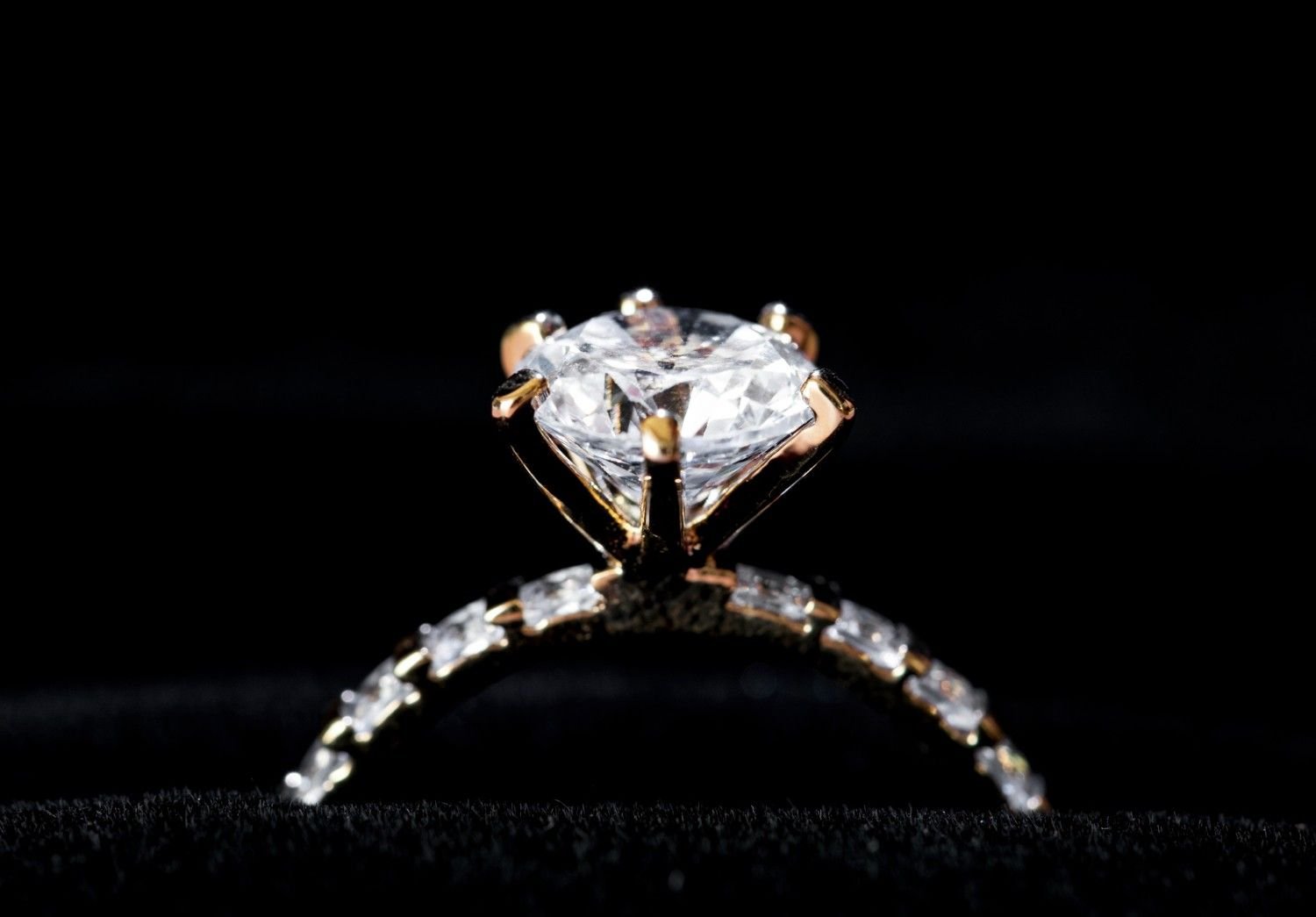

Few jewellery styles have remained as consistently popular across generations as solitaire rings. Looking back at how this design has evolved offers an interesting perspective on why its simplicity has continued to resonate with each new generation of buyers, from earlier eras through to today’s more minimalist tastes.
In earlier decades, solitaire designs tended to feature heavier, more substantial settings, reflecting the jewellery aesthetics of their time. Thicker bands and higher prong settings were common, creating a bold, traditional appearance that suited the fashion sensibilities of those eras and the formalwear typically worn alongside them.
As design preferences shifted toward minimalism, solitaire rings evolved alongside broader fashion trends. Thinner bands, lower profile settings, and cleaner lines became more popular, reflecting a growing consumer preference for understated elegance over more elaborate, heavily detailed designs.
More recently, the rise of mixed-metal styling has influenced how solitaire rings are worn rather than how they’re designed. Many buyers now pair a classic solitaire with a contrasting metal band or additional stacking rings, creating a personalized look while preserving the timeless simplicity of the original solitaire design.
Throughout these changes, the classic gold ring setting has remained a consistently popular choice for solitaire designs, valued for its warmth and versatility across different style eras. While platinum and white gold have had periods of heightened popularity, gold has never fallen out of favor entirely.
What makes the solitaire design particularly interesting from a style perspective is its ability to feel relevant regardless of the decade. Because the design focuses attention on a single stone rather than trend-driven detailing, it naturally avoids feeling dated in the way more elaborate styles sometimes do.
Looking ahead, it seems likely that solitaire rings will continue to adapt in subtle ways, through metal choices, band details, and styling trends, while retaining the fundamental simplicity that has made them a lasting favorite across every generation of jewellery buyers.
Cultural influences have also shaped solitaire styling over the decades in ways that are easy to overlook. Different regions and generations have favored different stone shapes at different times, from the popularity of round brilliant cuts in earlier eras to the more recent rise of elongated shapes such as oval and emerald cuts, each reflecting the broader aesthetic sensibilities of their time.
Celebrity influence has also played a recurring role in shaping which solitaire styles gain popularity in a given decade. High-profile engagements often spark renewed interest in a particular cut, setting, or metal choice, briefly shifting consumer preferences before the category eventually settles back toward its timeless, classic core.
Despite these cyclical shifts in detail, it’s worth noting how rarely the fundamental solitaire concept itself has been seriously challenged. Even as other jewellery trends have risen and faded entirely, the basic idea of a single, beautifully set stone has proven remarkably resistant to obsolescence, a testament to how well the design meets a genuinely timeless need.
Looking at vintage solitaire pieces today also offers a useful lesson for modern buyers. Many decades-old solitaire rings, when well maintained, still look strikingly current, a reminder that choosing a genuinely timeless design over a trend-driven one tends to pay off not just emotionally but practically, since these pieces rarely feel dated even when passed down or worn alongside more contemporary jewellery decades later.
This enduring appeal also explains why solitaire rings remain such a popular choice for those seeking a piece that will comfortably fit into a family’s story across multiple generations, worn confidently by a grandmother, a mother, and eventually a daughter, without ever feeling like it belongs to a different, outdated era entirely disconnected from present-day style.