
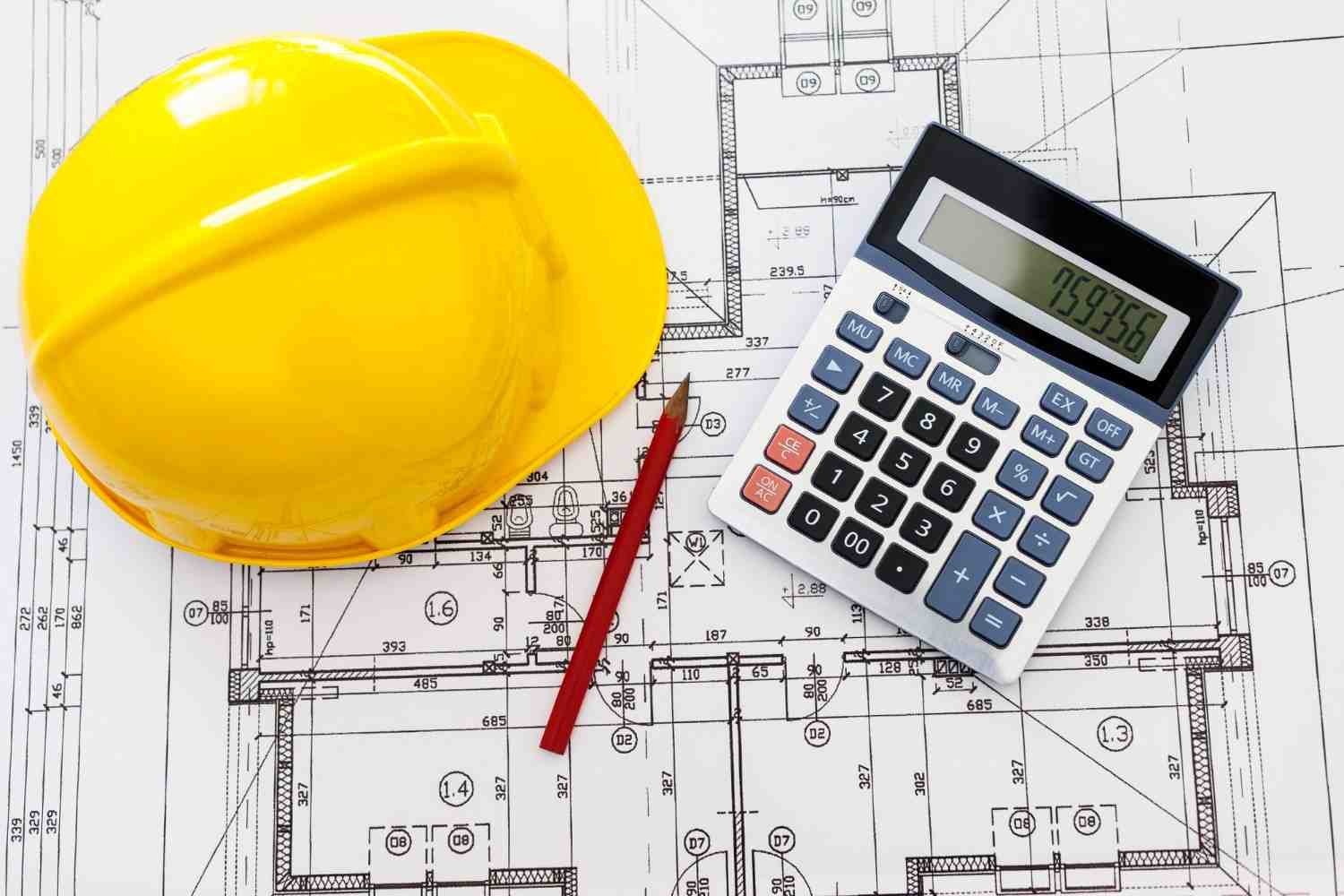

When designing a modern home, physical comfort and interior design usually dominate the conversation. However, from a preventative healthcare perspective, the foundational phase of a home’s structure directly dictates the long-term well-being of its occupants. Poorly estimated foundations, incorrect material mixing, and structural errors often cause structural failures, localized shifting, and systemic moisture infiltration. These flaws create ideal breeding grounds for opportunistic environmental pathogens like black mold, which can severely compromise indoor air quality and worsen chronic respiratory diseases. Utilizing a digital Construction Calculator shifts residential construction away from risky guesswork toward strict, data-backed precision. This structural accuracy ensures that every concrete pour, structural load, and volume measurement complies with global healthy housing benchmarks.
The Health Hazards of Structural Imbalance and Dampness
Living in a home with compromised structural integrity poses major risks to physical health that go far beyond basic safety hazards. When the foundation walls of a home absorb water due to incorrect concrete ratios, moisture travels up through the structure in a process known as rising damp.
According to comprehensive global research published by the World Health Organization (WHO), persistent indoor dampness and mold exposure increase the risk of developing childhood asthma by up to 15%. This dampness also triggers chronic obstructive pulmonary disease (COPD) and exposes residents to ongoing allergic reactions. By using an advanced Concrete Calculator, engineers and homeowners can determine the exact volumes of cement, aggregate, and water needed. This precise calculation achieves optimal density, creating a strong barrier against moisture and protecting your family’s respiratory health.
The Direct Link Between Mathematical Accuracy and Family Well-Being
Structural health is deeply rooted in mathematical precision. When building multi-story homes or handling complex renovations, miscalculating load-bearing spans or material weights can cause floors to sag and walls to crack. These structural failures do more than just lower property value; they introduce ongoing psychological stress and anxiety for the residents.
To prevent these hazards, builders must systematically double-check all technical measurements. Incorporating an explicit Unit Converter into the planning phase allows project managers to instantly switch between imperial and metric systems without mathematical errors. This smooth translation prevents formatting mistakes in steel reinforcement sizes, column volumes, and depth metrics. Eliminating these structural variances keeps your home stable, safe, and stress-free for generations.
Operational Strategy: Setting Up a Health-First Building Site
To ensure a safe, organized build that protects both on-site workers and future residents, teams should follow a clear, structured operational process.
Step 1: Exact Foundation Volume Estimation
Before ordering materials, calculate the exact volume of your excavation footprint using digital software. This ensures a single, continuous concrete pour, eliminating cold joints where water could leak in later.
Step 2: Calibrating the Water-Cement Ratio
Adjust your water volume based on the ambient humidity and aggregate moisture levels. Keeping the water-to-cement ratio right around 0.45 maximizes structural strength and prevents future cracking.
Step 3: Verifying Structural Reinforcements
Use reliable calculators to confirm the total weight and spacing of your steel rebar. Proper reinforcement prevents concrete from shifting over time, keeping your home’s structural shell tightly sealed against outdoor pollutants.
Best Responsive FAQs: Structural Safety and Material Estimation
How do foundation calculation errors impact indoor air quality?
When foundation measurements or material mixes are inaccurate, the concrete can develop micro-cracks and structural weaknesses. These openings allow moisture and soil gases like radon to seep into the living spaces, significantly increasing the risk of respiratory illnesses.
What is the healthiest water-to-cement ratio for a residential foundation?
The standard target is a ratio between 0.40 and 0.45. This balance provides enough water for complete chemical hydration without leaving excess moisture behind, preventing porous gaps that compromise structural strength.
How do unit conversion errors affect the structural safety of a home?
Miscalculating conversions between metric and imperial units can lead to choosing the wrong thickness for structural steel or incorrect spacing for columns. These errors compromise the building’s load capacity, creating serious long-term safety hazards.
Can digital building calculators help reduce on-site dust pollution?
Yes. By calculating exactly how much material is required, teams can order pre-mixed options or cut materials precisely. This minimizes extra cutting, grinding, and open-air mixing, which keeps dangerous crystalline silica dust out of the air.
Why does a continuous concrete pour protect a home from mold?
A continuous pour prevents “cold joints,” which form when new concrete is poured against a layer that has already set. Avoiding these seams eliminates natural weak points where groundwater can seep in, keeping the indoor environment dry and mold-free.
Building a Safe Foundation for Long-Term Health
A home’s true value is defined by how well it protects and supports the long-term health of the family living inside it. Leaving your structural measurements to guesswork increases the risk of foundational dampness, respiratory allergens, and structural shifting. Utilizing an advanced, digital Construction Calculator ensures that your home is built with the highest level of structural accuracy.
By prioritizing precise calculations and high-quality material standards from day one, you build a safe, durable sanctuary that protects your family’s health and well-being. Take control of your next building project by using professional digital tools to create a stronger, healthier home today.