
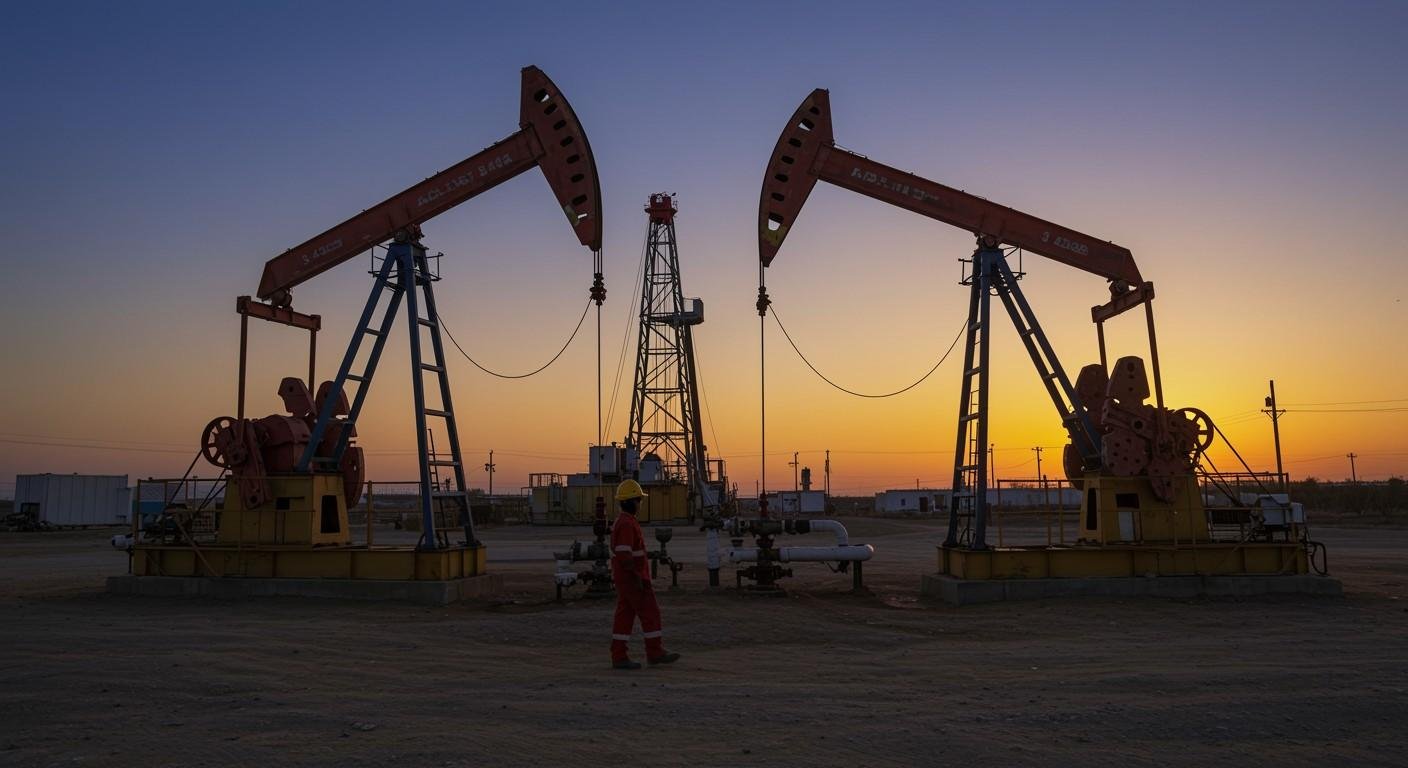

The desert sands of the Arabian Peninsula are no longer just a landscape of vast reserves; they have become the world’s most sophisticated laboratory for energy innovation. As the Kingdom undergoes a historic economic transformation, the demand for high-precision technical support has never been higher. For project managers and stakeholders navigating this complex environment, selecting the right Oil Field Services Companies in Saudi Arabia is the difference between a project that merely functions and one that sets a new global benchmark for efficiency.
The Strategic Shift Toward Enhanced Recovery
Saudi Arabia’s energy strategy is currently focused on two primary fronts: expanding capacity in massive fields like Zuluf and Safaniya, and maximizing the lifespan of mature onshore assets. This “dual-track” approach requires a level of technical sophistication that goes beyond traditional drilling. Today, the focus has shifted toward Enhanced Oil Recovery (EOR) techniques—such as CO2 injection and chemical flooding—which allow operators to extract significant value from aging reservoirs.
By partnering with top-tier Oil Field Services Companies in Saudi Arabia, operators gain access to real-time reservoir monitoring and advanced well-stimulation technologies. These services are essential for maintaining the Kingdom’s status as a “swing producer” capable of stabilizing global markets at a moment’s notice.
Technology as the New Frontier
The year 2026 marks a turning point where “Digital Oilfields” move from concept to standard operating procedure. We are seeing the widespread integration of the Internet of Things (IoT) at the wellhead, allowing for predictive maintenance that can reduce unplanned outages by as much as 30%. This digital leap is not just about saving costs; it is about safety and environmental stewardship.
As noted by Entrepreneur, the integration of AI and machine learning into heavy industry is creating a “new industrial revolution” in the Middle East, where data-driven decisions are replacing traditional trial-and-error methods. This technological maturity is exactly what defines the leading Oil Field Services Companies in KSA, as they transition from simple equipment providers to integrated technology partners.
Local Content and the Iktva Advantage
A critical component of operating within the Kingdom is alignment with the “In-Kingdom Total Value Add” (iktva) program. This initiative isn’t just a regulatory hurdle; it is a commitment to building a sustainable domestic supply chain. The most successful service providers are those that have localized their manufacturing, invested in Saudi talent, and contributed to the Kingdom’s growing research and development ecosystem.
For international firms looking to enter the market, collaborating with established Oil Field Services Companies in KSA provides a shortcut to compliance and operational excellence. These local partnerships ensure that projects benefit from deep geological knowledge while meeting the stringent “Saudization” and localization targets required under Vision 2030.
Environmental Stewardship and the Energy Transition
While oil and gas remain the backbone of the economy, the sector is leading the way in carbon management. Circular carbon economy initiatives—such as large-scale Carbon Capture, Utilization, and Storage (CCUS)—are being integrated directly into field operations. Modern service companies are now expected to provide solutions that minimize methane leaks and reduce the water intensity of drilling operations.
The move toward “Green Refineries” and low-carbon fuels demonstrates that the industry is evolving to meet modern ESG (Environmental, Social, and Governance) standards. This transition ensures that the Kingdom’s energy exports remain competitive in a world increasingly focused on the carbon footprint of its fuel sources.
Engineering a Sustainable Legacy
The future of the energy sector in the Middle East is being written through the collaboration of visionary state entities and agile technical partners. Whether it is through the deployment of autonomous drones for pipeline inspection or the use of quantum computing for reservoir modeling, the standard for excellence continues to rise.