
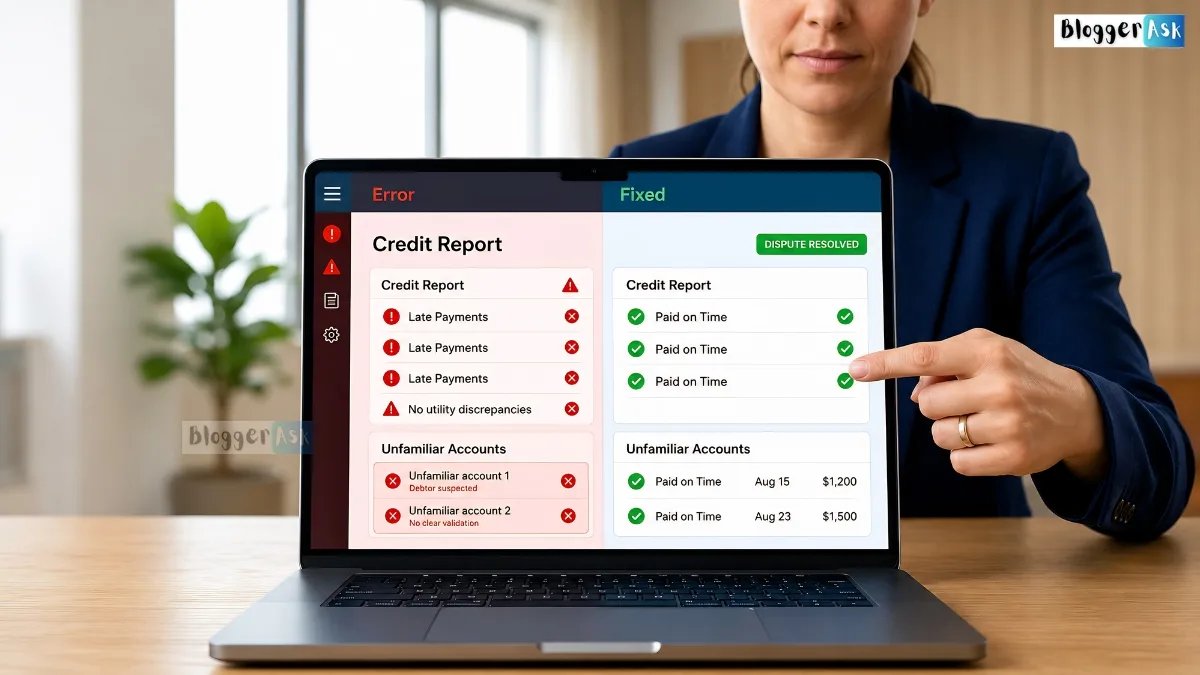

A small mistake on your credit report can quietly damage your financial life. A wrong late payment, an account you never opened, or outdated information may lower your credit score and affect loan approvals, credit card applications, and even rental opportunities. The good news is that you have the legal right to correct inaccurate information and improve your credit profile.
If you are planning to dispute errors on your credit report, understanding the correct process can save you time, reduce stress, and help you avoid unnecessary financial setbacks.
Why Credit Report Errors Matter
Many people assume their credit report is always accurate, but studies have shown that errors are more common than expected. Even a single reporting mistake can create long-term financial problems. Incorrect balances, duplicate accounts, or fraudulent activity may reduce your creditworthiness in the eyes of lenders.
When lenders review your financial history, they rely heavily on your credit report. A poor score caused by inaccurate data may result in higher interest rates or rejected applications. This is why reviewing your report regularly is essential.
According to Forbes, consumers should carefully monitor their credit reports and immediately challenge any suspicious or incorrect entries to avoid long-term financial damage.
Common Credit Report Errors You Should Watch For
Before you begin the dispute process, it is important to identify the type of error affecting your report. Some of the most common issues include:
- Incorrect personal information
- Accounts that do not belong to you
- Wrong payment history
- Duplicate debts
- Closed accounts listed as open
- Incorrect account balances
- Fraudulent or identity theft-related activity
These mistakes can happen because of data entry errors, outdated records, or identity theft. Spotting them early gives you a better chance of correcting them quickly.
Steps to Dispute Credit Report Errors Successfully
The process may sound complicated, but it becomes much easier when handled step by step.
1. Review Your Credit Report Carefully
Start by obtaining copies of your credit reports from all major credit bureaus. Check every detail, including account history, balances, payment records, and personal information.
Highlight anything that looks inaccurate or unfamiliar.
2. Gather Supporting Documents
Strong documentation increases the chances of a successful dispute. Collect bank statements, payment receipts, identity documents, account closure letters, or any evidence proving the information is incorrect.
The more organized your records are, the smoother the process becomes.
3. Submit Your Dispute Properly
Once you identify the problem, formally contact the credit bureau and the creditor involved. Explain the issue clearly and attach copies of your supporting documents.
If you want a detailed breakdown of the process, this guide on how to dispute errors on your credit report explains the complete procedure in a simple and practical way.
4. Follow Up Regularly
Credit bureaus generally investigate disputes within a limited timeframe, but delays can happen. Keep track of your dispute reference numbers, emails, and communication history.
Persistence is important when dealing with financial corrections.
How Credit Disputes Improve Your Financial Health
Correcting inaccurate information does more than improve your credit score. It also increases your financial credibility and confidence.
A clean credit report can help you:
- Get approved for loans faster
- Receive better credit card offers
- Qualify for lower interest rates
- Improve mortgage eligibility
- Strengthen your financial reputation
For business owners and professionals, maintaining accurate credit records can also support future investments and business financing opportunities.
Tips to Avoid Future Credit Report Problems
While disputes can fix existing issues, prevention is always better than correction. Here are a few smart habits to protect your credit profile:
- Monitor your credit reports regularly
- Avoid sharing sensitive financial information carelessly
- Set reminders for bill payments
- Check account statements monthly
- Report suspicious activity immediately
- Keep records of financial transactions
Building good financial habits helps reduce the risk of reporting errors and identity theft.
Final Thoughts
Credit report mistakes can create serious financial obstacles if ignored for too long. Whether the issue is a simple reporting error or a sign of identity theft, taking action quickly can protect your financial future and improve your credit standing.
If you notice suspicious or inaccurate information, do not wait. Learn how to properly dispute errors on your credit report and take control of your financial health before minor issues become major problems.
A strong and accurate credit profile opens doors to better financial opportunities, improved trust from lenders, and greater peace of mind for the future.