
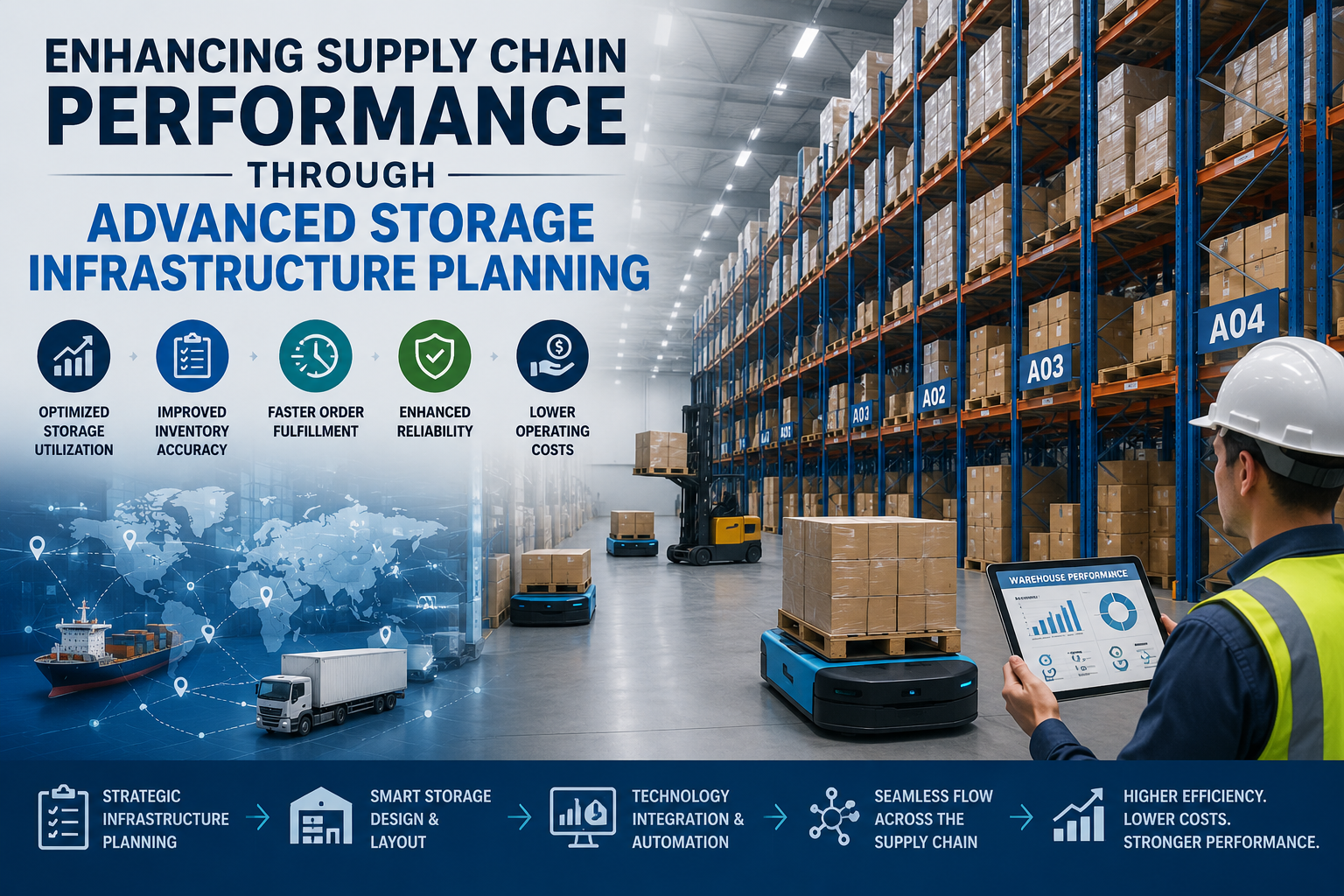

Dubai has rapidly positioned itself as a global logistics and distribution hub, supported by strategic geography, world-class ports, and integrated transport networks that connect international markets with speed and efficiency, where the increasing demand for warehouse for rent in dubai highlights a growing focus among businesses on securing storage solutions that enhance supply chain performance, reduce operational delays, and support seamless inventory management within a competitive and fast-moving commercial environment
The evolution of supply chain systems has made warehousing a critical component of business success, as companies across industries rely on efficient storage and distribution facilities to manage goods, maintain stock levels, and meet customer expectations, while Dubai’s advanced infrastructure ensures that warehouses are well-connected to major transport routes, enabling faster movement of goods and improved operational efficiency for businesses operating in both local and global markets
As trade volumes continue to increase and e-commerce expands, the need for modern warehouse facilities is becoming more pronounced, encouraging investors and developers to focus on creating spaces that combine functionality, scalability, and technological integration, ensuring that storage infrastructure can support the growing demands of businesses and adapt to changing market conditions over time
Dubai’s Role as a Global Logistics Hub
Dubai’s strategic location between Europe, Asia, and Africa has established it as a key gateway for international trade, providing businesses with access to major markets and facilitating the movement of goods across continents, while its investment in ports, airports, and free zones enhances its ability to handle high volumes of cargo efficiently
This connectivity is further supported by advanced logistics systems and regulatory frameworks that streamline operations and reduce barriers to trade, creating an environment where businesses can operate with confidence and efficiency, making Dubai an ideal destination for companies seeking to optimize their supply chains and expand their global reach
The continuous development of logistics infrastructure ensures that the city remains competitive and capable of meeting the evolving needs of businesses, reinforcing the importance of warehousing as a key element of the broader logistics ecosystem
Rising Demand for Flexible Storage Solutions
The demand for warehouse space in Dubai is driven by a combination of factors, including population growth, increased consumer demand, and the expansion of e-commerce, all of which require efficient storage and distribution systems to ensure timely delivery and inventory management
In this context, the availability of dubai warehouse for rent provides businesses with flexible options that allow them to scale operations according to their needs, without the long-term commitment of ownership, enabling companies to adapt quickly to market changes and optimize their logistics strategies
This flexibility is particularly valuable in a dynamic market environment where demand can fluctuate, allowing businesses to maintain efficiency while controlling costs and maximizing resource utilization
Strategic Location and Infrastructure Advantage
The success of warehouse operations is heavily influenced by location, as proximity to transportation networks, industrial zones, and key markets plays a crucial role in determining efficiency and cost-effectiveness, making location selection a critical factor in warehouse investment and leasing decisions
Dubai’s well-planned industrial areas and logistics hubs offer access to major highways, ports, and airports, ensuring that goods can be transported quickly and efficiently, reducing transit times and operational costs while enhancing overall supply chain performance
In addition to physical location, infrastructure quality is equally important, as modern warehouses are equipped with advanced systems that support efficient storage, handling, and distribution of goods, ensuring that facilities meet the demands of contemporary business operations
Technology Integration in Modern Warehousing
Technology is transforming the warehousing sector, enabling businesses to improve efficiency, accuracy, and productivity through the use of automated systems, data analytics, and digital platforms that streamline operations and enhance decision-making
Modern warehouses increasingly incorporate technologies such as automated storage and retrieval systems, inventory management software, and real-time tracking solutions that provide greater visibility and control over supply chain processes, allowing businesses to respond quickly to changes in demand and optimize their operations
This integration of technology not only improves operational efficiency but also enhances the overall value of warehouse facilities, making them more attractive to tenants and investors who prioritize innovation and long-term performance
Long-Term Investment Potential in Warehouse Infrastructure
Warehouse infrastructure represents a strong investment opportunity due to its essential role in supporting trade, logistics, and e-commerce activities, providing a stable source of demand and consistent income potential for investors, particularly in a market like Dubai where economic growth and global connectivity continue to drive expansion
Investors who focus on high-quality warehouse facilities in strategic locations can benefit from both rental income and capital appreciation, while also contributing to the development of a logistics ecosystem that supports business growth and economic progress
This long-term potential is further enhanced by the increasing importance of supply chain efficiency, which ensures that demand for advanced storage solutions remains strong and continues to grow in response to changing market conditions
Conclusion:
Building Efficient Supply Chains Through Strategic Development
Dubai’s position as a global logistics hub continues to create opportunities for businesses and investors to enhance supply chain performance through advanced storage infrastructure that supports efficient operations and long-term growth, where success depends on strategic planning, location selection, and the ability to adapt to evolving market demands
The development of modern warehouse facilities requires expertise in design, construction, and operational planning, ensuring that spaces are optimized for efficiency, scalability, and sustainability, making it essential to focus on quality and precision in every aspect of development, which is why warehouse construction plays a critical role in shaping the future of logistics infrastructure and enabling businesses to achieve higher levels of performance and competitiveness in an increasingly interconnected global market